L'histoire du polar marseillais / crime fiction from Marseilles
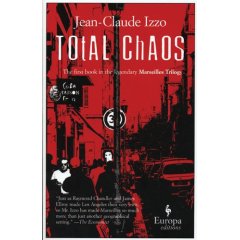
I've posted here, here and here about Total Chaos, the first novel in Jean-Claude Izzo's Marseilles trilogy. Two recent discoveries, plus the arrival of my copy of Chourmo, the second volume, brought me back to that atmospheric tale, at once downbeat and full of Izzo's love for Marseilles.
The Ile noire blog explores, in French, the early history of Marseillais crime fiction. That's a concept that we readers of international crime fiction ought to like. Ile noire is a bilingual site, mostly French with a bit of Corsican. I learned that bonavinuta means welcome and a dopu means later! or until the next time. The obvious similarities between the Corsican words and their Italian counterparts (other Corsican words are more like French) is a rich little lesson in language and history – and I owe it all to international crime fiction.
 An Italian site reviews a collection of tales and other writing by Izzo that bears the delicious title of Aglio, menta e basilico – Marsiglia, il noir e il Mediterraneo (Garlic, mint and basil – Marseilles, noir and the Mediterranean). The sensual appeal of that title is beguiling, as are the reviewer's descriptions of how Izzo's detective protagonist Fabio Montale –"a Mediterranean man" – loves jazz, hip-hop, eating, drinking, gossiping for hours in bars ... What a life!
Izzo, reviewer Andrea Fannini concludes, is "a French, indeed, a Mediterranean poet."
© Peter Rozovsky 2006
Technorati tags:
Jean-Claude Izzo
The Ile noire blog explores, in French, the early history of Marseillais crime fiction. That's a concept that we readers of international crime fiction ought to like. Ile noire is a bilingual site, mostly French with a bit of Corsican. I learned that bonavinuta means welcome and a dopu means later! or until the next time. The obvious similarities between the Corsican words and their Italian counterparts (other Corsican words are more like French) is a rich little lesson in language and history – and I owe it all to international crime fiction.
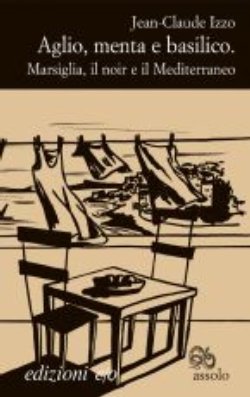 An Italian site reviews a collection of tales and other writing by Izzo that bears the delicious title of Aglio, menta e basilico – Marsiglia, il noir e il Mediterraneo (Garlic, mint and basil – Marseilles, noir and the Mediterranean). The sensual appeal of that title is beguiling, as are the reviewer's descriptions of how Izzo's detective protagonist Fabio Montale –"a Mediterranean man" – loves jazz, hip-hop, eating, drinking, gossiping for hours in bars ... What a life!
Izzo, reviewer Andrea Fannini concludes, is "a French, indeed, a Mediterranean poet."
© Peter Rozovsky 2006
Technorati tags:
Jean-Claude Izzo
Labels: Crime fiction, Fabio Montale, France, Jean-Claude Izzo, Marseilles, Total Chaos
posted by Peter Rozovsky at 12:06 PM
7 comments