Diale Tlholwe, an exciting new (to me) South African crime novelist

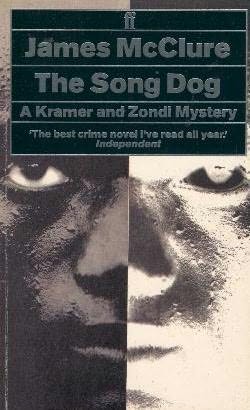
McClure wrote during South Africa's apartheid era. Tlholwe sets his books amid the hangover after the euphoria of apartheid's overthrow, thus observations such as the following, from his second novel, Counting the Coffins:
“`Oh, Jacky. He used to be a journalist too. Now he is a spokesperson for some high official.'or this, in which the protagonist, an investigator named Thabang Maje, indulges in high spirits on the job:
“`Which one? The official, I mean.'
“`There’s been so many of them. Jacky is always moving around, advocating one cause today and another the next. He is a typical new South African. Right now, I think it’s small-business enterprise. After the mall mess he was in public works. Anyway, the same people are usually involved in all these things in different ways – public, private and everything in between.'”
“`Evening, ladies and gents of the majority, as we used to say a million dark years ago just before looting and burning down your houses. I’m . . . I’m Lebogang.' For some reason my mind was back at the blazing season of my school days when we would terrify ineffectual people like these whom we suspected were fence-sitters in the liberation struggle.”That's funny and sad and scary at the same time, I'd say, enough by itself to make the novel worth reading. The book so far also reminds me of the best of Northern Ireland crime fiction, in its invocations of ghosts that remain, however, very much alive.
I still have about half the book left to read, but Counting the Coffins bids fair to be my most exciting crime fiction discovery this year. I'll also look forward to reading Tlholwe's Ancient Rites.
© Peter Rozovsky 2014
Labels: Africa, Diale Tlholwe, James McClure, South Africa
posted by Peter Rozovsky at 6:34 PM
8 comments