Novel by Stansberry! Cover photo by Rozovsky!

 My previous book-cover shots:

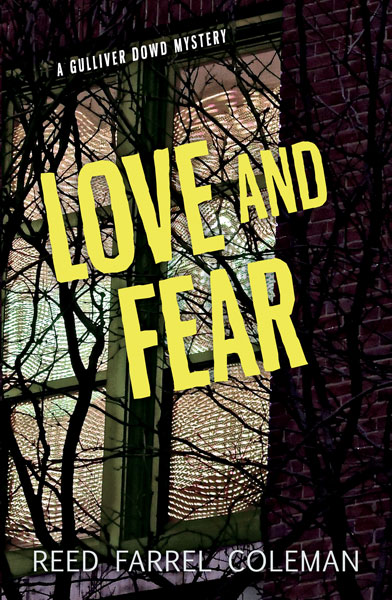

© Peter Rozovsky 2017
Labels: book covers, cover photos, Domenic Stansberry, Molotov Editions
posted by Peter Rozovsky at 4:25 PM
2 comments


"Because Murder is More Fun Away From Home"
My previous book-cover shots:
Labels: book covers, cover photos, Domenic Stansberry, Molotov Editions
posted by Peter Rozovsky at 4:25 PM
2 comments

 Several crime novels I've read recently share certain features: yearning emotion, stories at least as wistful as they are tragic, and empathy with characters whatever their orientation on the legal or even moral compass. Some of the books enhance the effect by alternating point of view among several characters.
 Most notable to me has been that the emotion suffuses not just the characters but the social and physical landscapes as well. The books are The Wolves of Fairmount Park, by Dennis Tafoya (Philadelphia); Done for a Dime by David Corbett (San Francisco Bay Area); and Cold Shot to the Heart by Wallace Stroby, whose heister heroine ranges fairly widely.
 Labels: Canada, David Corbett, Dennis Tafoya, Domenic Stansberry, John McFetridge, miscellaneous, Montreal, Philadelphia, San Francisco, Toronto, Wallace Stroby
posted by Peter Rozovsky at 9:18 PM
7 comments

"It was the time of the big boom and everyone figured the prosperity would last forever."(Here's another favorite bit from the opening paragraph: "The old-timers found the new enthusiasm insufferable, but the old-timers found everything insufferable. The truth was, you could see a certain gleam in their eyes, too ... ")
"Eccentric the Cat lay in an unhappy somnolence on his mistress's rayon bathrobe, in the dark corner of the armoire. It was a place that was redolent of Angie's smell ... "Redolent means exuding fragrance; smells like, in other words. Redolent of Angie's smell is redundant. I also would have cut "a place that was." But I'm a copy editor; what do I know?
Labels: copy editors, Domenic Stansberry, Ireland, miscellaneous, San Francisco
posted by Peter Rozovsky at 12:25 AM
48 comments

This blog is a proud winner of the 2009 Spinetingler Award for special services to the industry and its blogkeeper a proud former guest on Wisconsin Public Radio's Here on Earth. In civilian life I'm a copy editor in Philadelphia. When not reading crime fiction, I like to read history. When doing neither, I like to travel. When doing none of the above, I like listening to music or playing it, the latter rarely and badly. Click here to find an independent bookstore near you.


 Art Taylor //
April 26, 2017 Peter Rozovsky //
April 26, 2017 adrian mckinty //
May 19, 2011
Art Taylor //
April 26, 2017 Peter Rozovsky //
April 26, 2017 adrian mckinty //
May 19, 2011 //
May 19, 2011 Peter Rozovsky //
May 19, 2011 Peter Rozovsky //
May 19, 2011 Peter Rozovsky //
May 19, 2011 //
May 19, 2011 Peter Rozovsky //
May 19, 2011 adrian mckinty //
May 14, 2011 Peter Rozovsky //
May 14, 2011 Peter Rozovsky //
May 14, 2011 adrian mckinty //
May 14, 2011 Peter Rozovsky //
May 14, 2011 Crosby Kenyon //
May 14, 2011 Peter Rozovsky //
May 14, 2011 seana graham //
May 15, 2011 Peter Rozovsky //
May 15, 2011 //
May 15, 2011 seana graham //
May 15, 2011 seana graham //
May 15, 2011 Peter Rozovsky //
May 15, 2011 Peter Rozovsky //
May 15, 2011 Peter Rozovsky //
May 15, 2011 Peter Rozovsky //
May 15, 2011 seana graham //
May 15, 2011 Peter Rozovsky //
May 15, 2011 Catherine Criswell Spear //
May 15, 2011 Peter Rozovsky //
May 15, 2011 seana graham //
May 15, 2011 Peter Rozovsky //
May 15, 2011 Peter Rozovsky //
May 15, 2011 Linkmeister //
May 16, 2011 Peter Rozovsky //
May 16, 2011 Linkmeister //
May 16, 2011 Peter Rozovsky //
May 16, 2011 Tales from the Birch Wood. //
May 16, 2011 Tales from the Birch Wood. //
May 16, 2011 Peter Rozovsky //
May 16, 2011 Photographe à Dublin //
May 17, 2011 Photographe à Dublin //
May 17, 2011 Peter Rozovsky //
May 17, 2011 Tales from the Birch Wood. //
May 17, 2011 Peter Rozovsky //
May 17, 2011 Peter Rozovsky //
May 17, 2011 Tales from the Birch Wood. //
May 17, 2011 Peter Rozovsky //
May 17, 2011 Tales from the Birch Wood. //
May 19, 2011 Peter Rozovsky //
May 19, 2011 //
May 19, 2011 Peter Rozovsky //
May 19, 2011 Tales from the Birch Wood. //
May 20, 2011 Peter Rozovsky //
May 20, 2011 Photographe à Dublin //
May 21, 2011 Peter Rozovsky //
May 21, 2011 Tales from the Birch Wood. //
May 22, 2011 Peter Rozovsky //
May 22, 2011
//
May 19, 2011 Peter Rozovsky //
May 19, 2011 Peter Rozovsky //
May 19, 2011 Peter Rozovsky //
May 19, 2011 //
May 19, 2011 Peter Rozovsky //
May 19, 2011 adrian mckinty //
May 14, 2011 Peter Rozovsky //
May 14, 2011 Peter Rozovsky //
May 14, 2011 adrian mckinty //
May 14, 2011 Peter Rozovsky //
May 14, 2011 Crosby Kenyon //
May 14, 2011 Peter Rozovsky //
May 14, 2011 seana graham //
May 15, 2011 Peter Rozovsky //
May 15, 2011 //
May 15, 2011 seana graham //
May 15, 2011 seana graham //
May 15, 2011 Peter Rozovsky //
May 15, 2011 Peter Rozovsky //
May 15, 2011 Peter Rozovsky //
May 15, 2011 Peter Rozovsky //
May 15, 2011 seana graham //
May 15, 2011 Peter Rozovsky //
May 15, 2011 Catherine Criswell Spear //
May 15, 2011 Peter Rozovsky //
May 15, 2011 seana graham //
May 15, 2011 Peter Rozovsky //
May 15, 2011 Peter Rozovsky //
May 15, 2011 Linkmeister //
May 16, 2011 Peter Rozovsky //
May 16, 2011 Linkmeister //
May 16, 2011 Peter Rozovsky //
May 16, 2011 Tales from the Birch Wood. //
May 16, 2011 Tales from the Birch Wood. //
May 16, 2011 Peter Rozovsky //
May 16, 2011 Photographe à Dublin //
May 17, 2011 Photographe à Dublin //
May 17, 2011 Peter Rozovsky //
May 17, 2011 Tales from the Birch Wood. //
May 17, 2011 Peter Rozovsky //
May 17, 2011 Peter Rozovsky //
May 17, 2011 Tales from the Birch Wood. //
May 17, 2011 Peter Rozovsky //
May 17, 2011 Tales from the Birch Wood. //
May 19, 2011 Peter Rozovsky //
May 19, 2011 //
May 19, 2011 Peter Rozovsky //
May 19, 2011 Tales from the Birch Wood. //
May 20, 2011 Peter Rozovsky //
May 20, 2011 Photographe à Dublin //
May 21, 2011 Peter Rozovsky //
May 21, 2011 Tales from the Birch Wood. //
May 22, 2011 Peter Rozovsky //
May 22, 2011